LOCALLY BASED IN AUCKLAND


Are Communion Cups Allowed Through Airport Security?
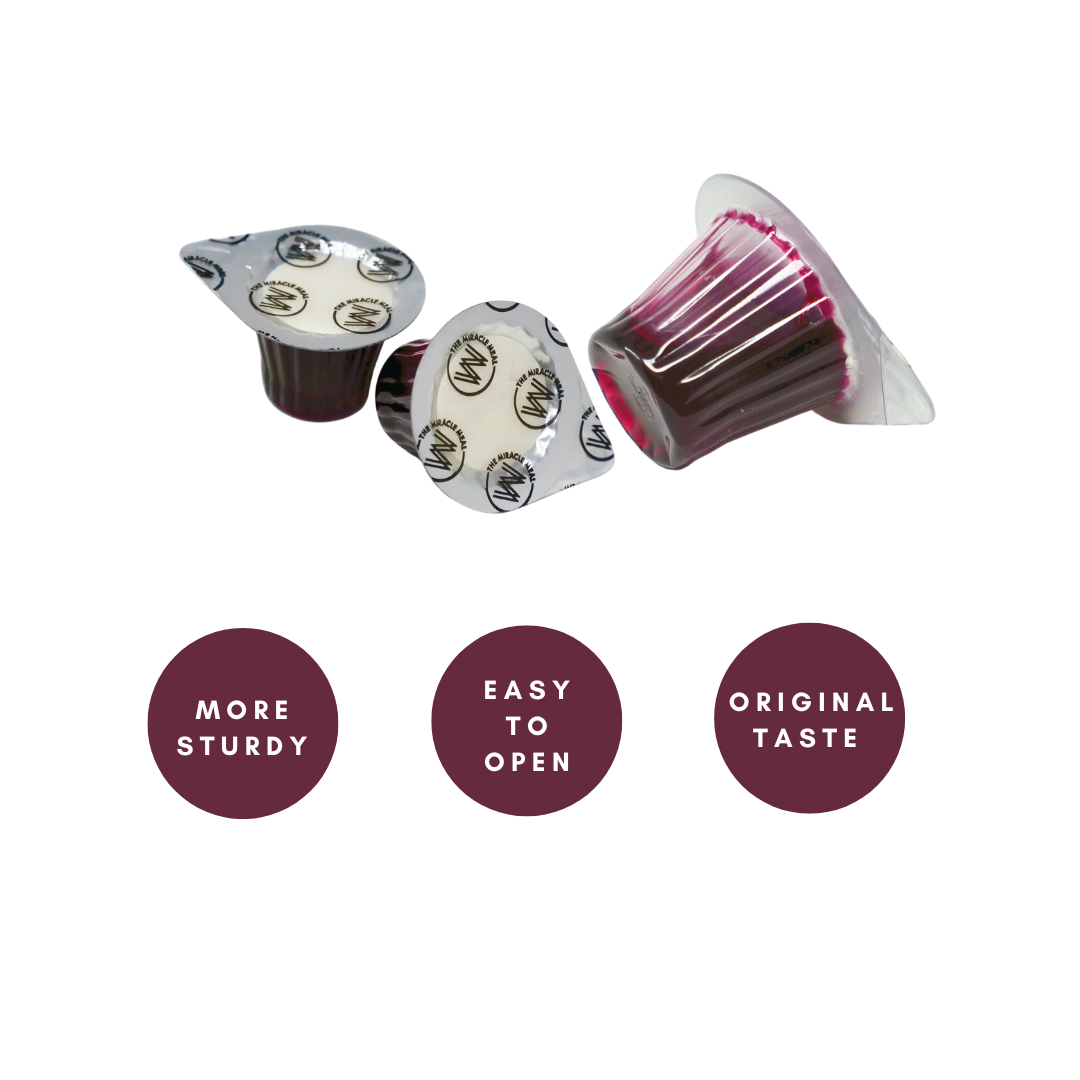
Whether you are a pastor heading out on a mission trip, a chaplain travelling to serve a distant community or a ministry team flying to a conference, communion often travels with you. Packing the elements for a flight can feel uncertain, especially when security rules seem to change from one airport to the next.
This article looks at how screening staff view pre-filled communion cups, how liquid limits apply to the juice inside them and whether carry-on or checked luggage makes more sense. We also cover practical packing tips and what to think about when crossing borders.
How Security Screening Views Pre-Filled Cups
Airport screening teams do not have a special category for communion elements. They simply look at what is inside the package. A pre-filled cup usually holds a sealed portion of grape juice or wine with a wafer sealed in a separate layer above it, so officers treat the juice as a liquid and the wafer as a dry food item.
The wafer rarely causes any concern. Dry packaged foods like crackers and bread are generally welcome in cabin bags at most airports around the world. The juice section is what matters, because liquids and gels in carry-on bags are still screened under strict rules at the majority of checkpoints.
The good news is that taking communion cups through airport security is usually straightforward. Each cup holds a very small amount of juice, well under common size limits, and the factory seal shows the contents have not been tampered with. Officers may still ask what the items are, so a short and friendly explanation helps.
Understanding Liquid Limits for Carry-On Bags
Most airports worldwide still limit carry-on liquids to containers of 100 ml (3.4 ounces) or less. All of these containers normally need to fit inside a single clear resealable bag of roughly one litre (about one quart). Every sealed communion cup counts as its own small container under this rule.
Because each cup is small, the limit on individual size is not the issue. The real restriction is space. Pre-filled cups are wider than a travel bottle, so only a modest number will fit inside one clear bag alongside your toiletries. For personal devotion or a small group, that may be plenty.
Some airports now use newer 3D scanners that allow larger amounts of liquid and let passengers keep items inside their bags. These upgrades are rolling out unevenly, however, and rules can differ even between terminals at the same airport. Always check the current guidance for both your departure and return airports shortly before you fly.
Packing Communion Cups in Checked Luggage
If you are carrying pre-filled communion cups on a plane for a larger gathering, checked luggage is usually the better choice. Liquid limits for hold baggage are far more generous, and sealed food items in commercial packaging are normally accepted without trouble.
Pack the cups in their original sealed boxes and place them in a sturdy container or hard-shell case. Surround them with soft clothing to absorb bumps during loading. Sealing the boxes inside a large zip bag adds a simple layer of protection in case a cup is crushed along the way.
Keep in mind that cargo holds can get cold and bags are often handled roughly. Well-sealed cups tend to cope with these conditions, but it is wise to open your luggage on arrival and check each box before the service. That way you can set aside any damaged cups early.
Crossing Borders With Communion Elements
International travel adds another layer, because customs rules are separate from security screening. Many countries restrict the import of certain foods, plant products and alcohol. Grape juice and wafers in sealed commercial packaging are rarely a problem, but communion wine may count toward your alcohol allowance.
When arrival forms ask whether you are carrying food, it is best to declare the cups honestly. Declaring an item does not mean it will be taken away. It simply gives officers the chance to inspect it, and a clearly labelled, unopened product usually passes through quickly.
If you plan to fly with communion cups for a large event, you might also consider shipping them ahead to your venue or arranging delivery at your destination. This saves luggage space, avoids customs questions at the airport and means the elements are ready and waiting when you arrive.
In Conclusion
Pre-filled communion cups are generally allowed through airport screening. Small numbers can travel in your carry-on as long as they fit within your clear liquids bag, while larger quantities are best packed carefully in checked luggage. Checking current airport guidance and declaring food items at customs will help your journey go smoothly.
Planning communion for a trip, conference or mission outreach? Our pre-filled communion cups are sealed for freshness and ready for gatherings of every size, from intimate congregations to events with thousands of attendees. Visit our website today to order your communion cups and share the Lord’s Supper wherever your ministry takes you.