LOCALLY BASED IN AUCKLAND
Do Communion Practices Vary by Country and Culture?

Walk into a church service on almost any continent and you will likely find believers gathered around bread and a cup. Yet the way that moment unfolds can look surprisingly different depending on where you are and who you are worshipping with.
In this article we will look at what stays the same in the Lord’s Supper across the globe, how the elements themselves differ, the ways believers receive them and how local culture shapes the atmosphere of the meal.
The Shared Foundation Behind Every Table
Before looking at the differences, it helps to see what unites Christians in this practice. Every tradition traces communion back to the night Jesus shared bread and wine with His disciples and asked them to remember Him. That command gives every congregation the same starting point.
Most churches also agree on the basic shape of the meal. Scripture is read, a prayer of thanksgiving is offered and the elements are shared among those gathered. Paul’s guidance in 1 Corinthians 11 about examining yourself before taking part is read in congregations of every language.
Where churches differ most is not in why they take communion but in how they carry it out. Those differences often come from denomination more than geography, although history and culture tend to blend the two. This is why communion customs around the world can feel both familiar and new.
The Bread and Cup Look Different From Place to Place
Orthodox churches use leavened bread, often a round loaf stamped with a seal, while Roman Catholic and many Lutheran and Anglican churches use thin unleavened wafers. Many other Protestant congregations use pieces of ordinary bread or small crackers. Each choice carries its own history and meaning.
The cup varies too. Catholic, Orthodox and many liturgical churches use wine, with Orthodox churches adding a little warm water just before communion. Many evangelical churches serve grape juice, a practice that grew during the temperance movement of the nineteenth century and was later carried into many parts of the world.
Where wheat or grapes are hard to find or very expensive, churches have faced real questions about what to use. Some traditions insist on wheat bread and grape wine no matter the cost, while others have allowed local staples. These debates show that differences in communion practice across cultures often come from practical realities as much as doctrine.
How and When Believers Receive
The method of receiving the elements varies widely. In Orthodox churches the bread and wine are combined in a chalice and given to each person on a small spoon. Catholic worshippers may receive the host on the tongue or in the hand, and in many Anglican and Lutheran churches people kneel at a rail.
Many Baptist, Presbyterian and other Reformed churches pass trays along the pews so that people remain seated. Some wait until everyone is served and then eat and drink together as a sign of unity. Others invite people to come forward and dip the bread into a shared cup, a practice known as intinction.
Frequency is another clear difference. Catholic, Orthodox and many Anglican churches celebrate communion weekly or even daily, while many Protestant congregations observe it monthly or quarterly. Preparation also differs, with some traditions asking believers to fast beforehand and others focusing on quiet reflection and confession.
Local Culture Shapes the Atmosphere
Beyond doctrine and method, the local culture of a church often sets the tone of communion. In some congregations the moment is marked by deep silence and stillness. In others it is surrounded by joyful singing, clapping and movement as people come forward together.
Language and music play a large part as well. Since the mid twentieth century, many churches that once used Latin or other ancient languages have moved to the everyday language of their people. Hymns, choruses and instruments drawn from local traditions now help the moment feel personal and familiar.
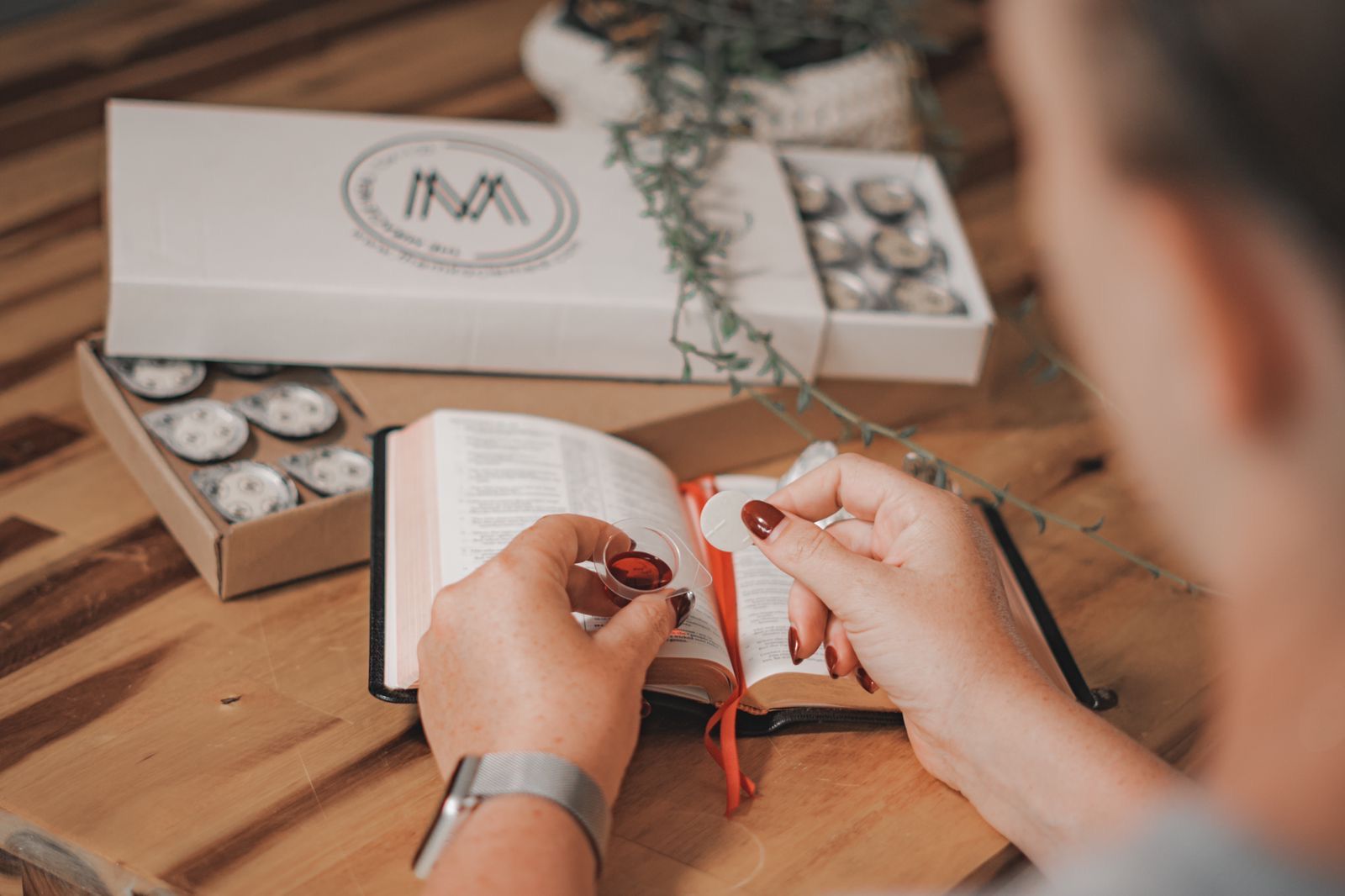
Practical habits keep shifting too. Hygiene concerns led many churches to move from a single shared cup to individual cups in the late nineteenth century, and more recent health concerns have encouraged even more congregations to use sealed, individually prepared portions. How cultures shape communion is an ongoing story rather than a fixed one.
In Conclusion
Communion does look different from one country and culture to another, from the bread and cup used to the way believers receive them and the atmosphere around the meal. Beneath those differences sits the same simple command to remember Christ, which continues to draw believers together across every border.
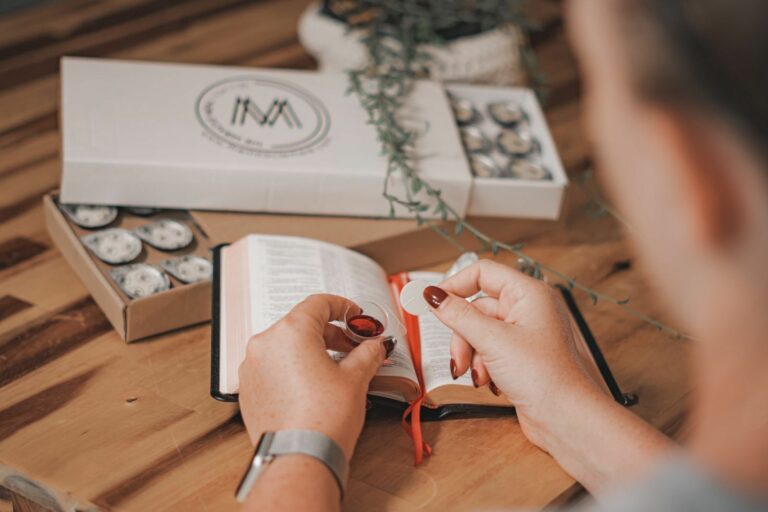
Whatever your tradition looks like, preparing for communion should be simple. Our pre-filled communion cups make it easy to serve congregations of any size, from small gatherings to large events. Order your communion cups through our website today and let us help you prepare for your next service.